
Headless CMS vs Traditional CMS: Which One Is Better in 2026?
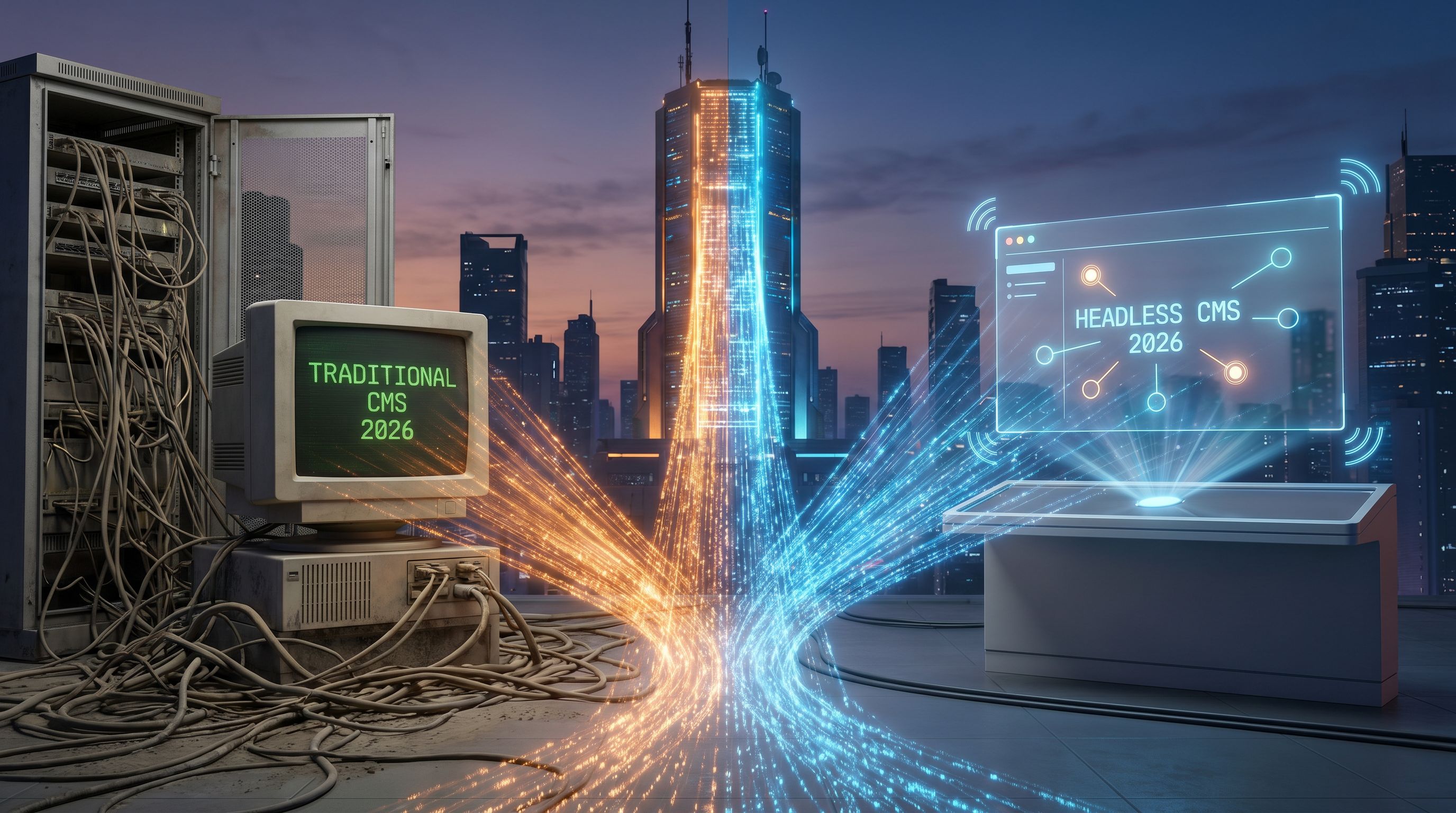
Headless CMS vs Traditional CMS: Which One Is Better in 2026?
As we step into the future, the landscape of content management systems (CMS) is evolving. Businesses, especially in the Indonesian SMBs and UMKMs sectors, as well as Chinese expats running businesses in Indonesia, are looking for the most efficient and effective ways to manage their digital content. The question on everyone’s mind is whether the headless CMS or traditional CMS will reign supreme in 2026. Let’s dive into the pros and cons of each to determine which one is better suited for the future.
Understanding Headless CMS
A headless CMS, also known as a decoupled CMS, separates the backend (content management) from the front end (content delivery). This allows for greater flexibility as developers can use any front-end technology to display content. The benefits of a headless CMS include:
- Flexibility and Scalability: With a headless CMS, businesses can deliver content across multiple platforms and devices without the constraints of a traditional CMS framework.
- Developer Freedom: Developers have the freedom to use their preferred programming languages and frameworks, which can lead to more innovative solutions.
- Improved Performance: Since the content delivery is decoupled from the content management, headless CMS can offer faster loading times and better performance.
- API-First Approach: A headless CMS uses APIs to manage content, making it easier to integrate with other services and platforms.
Understanding Traditional CMS
Traditional CMS platforms, such as WordPress, offer a more integrated approach where content management and content delivery are combined within a single system. The advantages of a traditional CMS include:
- Ease of Use: Traditional CMS platforms are often user-friendly and require less technical knowledge, making them accessible to a wider audience.
- Cost-Effectiveness: Many traditional CMS solutions are open-source or offer affordable plans, making them budget-friendly.
- Community Support: Traditional CMS platforms often have large communities, which means more plugins, themes, and support resources.
- Out-of-the-Box Solutions: Traditional CMS platforms typically offer a complete solution right out of the box, reducing the need for additional development.
Comparing Headless CMS and Traditional CMS for 2026
Adaptability to Modern Technologies: As we look to 2026, the digital landscape is becoming increasingly diverse with the rise of new devices and platforms. A headless CMS offers greater adaptability, allowing businesses to extend their digital presence across various channels, which could be crucial for businesses looking to remain competitive.
Development and Maintenance: Traditional CMS platforms are known for their ease of use and maintenance, which can be a significant advantage for smaller businesses with limited resources. However, headless CMS systems, while requiring more initial development, can offer long-term benefits in terms of scalability and performance.
Cost Considerations: For cost-sensitive businesses, traditional CMS platforms may be more appealing due to their lower upfront costs and extensive free resources. On the other hand, headless CMS solutions can offer more cost-effective scalability, which could be beneficial for businesses expecting rapid growth.
Integration Capabilities: Headless CMS systems excel in integration capabilities due to their API-first approach, which can be a significant advantage for businesses looking to leverage the power of enterprise web solutions and connect with various external systems.
Choosing the Right CMS for Your Business
The choice between a headless CMS and a traditional CMS depends on your specific business needs. If you require a flexible, scalable solution that can adapt to the ever-changing digital landscape, a headless CMS may be the better choice. However, if you prefer a user-friendly, cost-effective solution with a strong community support, a traditional CMS might be more suitable.
At Pelita Studio, we understand the importance of selecting the right CMS for your business. We offer expert advice and implementation services for both headless and traditional CMS solutions, ensuring that your business can meet the challenges of the digital future in 2026 and beyond.